


Nestled in the heart of Botswana, the Okavango Delta is more than just a safari destination; it’s a living canvas, a masterpiece of nature begging to be captured through a lens.
For photographers, whether armed with a trusty smartphone or a top-of-the-line DSLR, this UNESCO World Heritage Site offers an unrivalled playground of light, colour, and life. From shimmering waterways to golden savannahs, the Delta’s ever-changing landscapes and abundant wildlife make it a dream come true for anyone with a passion for photography.
Here’s why the Okavango Delta is a photographer’s paradise, and how you can make the most of it, no matter your gear.
A Symphony of Light and Water
The Okavango Delta is a place where water meets wilderness in the most breathtaking ways. As the world’s largest inland delta, its floodplains pulse with seasonal rhythms, creating mirror-like lagoons that reflect endless skies.
Early mornings bring a soft, misty glow, perfect for capturing ethereal silhouettes of elephants wading through the shallows or herons poised mid-flight. Try shooting at sunrise with your camera set to a slightly higher ISO (400-800) to capture these magical moments without blur.
At sunset, the horizon ignites with hues of amber and pink, casting a warm light over acacia-dotted plains. This “golden hour” offers about 30 minutes of perfect lighting conditions, ideal for landscape shots with a wide aperture (f/8-f/11) to maximize depth of field.
Even a phone camera can immortalise these moments; just point, shoot, and let the Delta’s natural beauty do the rest. Pro tip: use your phone’s HDR mode to capture both the bright sky and shadowed landscape in one shot.
Wildlife That Poses for the Shot
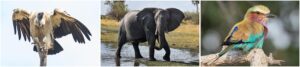
If there’s one thing the Delta doesn’t lack, it’s star subjects. Home to the Big Five: lion, leopard, elephant, buffalo, and rhino, alongside giraffes, hippos, and over 400 bird species, this is a place where every glance offers a frame-worthy scene.
Imagine a lion’s piercing gaze caught through the reeds, or a fish eagle snatching prey from the water in a burst of action. For these fast-moving subjects, aim for a shutter speed of at least 1/1000 second if using a DSLR.
You don’t need fancy equipment to snap a memorable shot; a steady hand and a decent phone camera will do the trick. Many smartphones now offer 2-3x optical zoom, perfect for closing the distance without disturbing wildlife.
The key? Patience. The Delta’s wildlife doesn’t rush, and neither should you.
A Landscape That Tells a Story
Beyond the animals, the Delta’s scenery is a storyteller in its own right. Ancient trees stand like sentinels over wild bush, while meandering channels carve paths through reed beds.
Even with a smartphone, you can capture the vastness by playing with angles; try a low shot to frame the grasses against the sky, or climb aboard a mokoro (a traditional dugout canoe) for a water-level perspective.
Use your phone’s panorama feature to capture the sweeping horizons that make the Delta famous.
Tips for the Specialised Snapper
For those bringing along a proper camera kit, the Delta is your playground. Here’s what to pack:
- A telephoto lens (200mm or more) is a must for zooming in on distant wildlife without disturbing the peace
- A wide-angle lens (16-35mm) will help you capture the sheer scale of the floodplains
- A polarizing filter can cut through water glare to reveal the vibrant underwater world
- A neutral density filter helps tame the bright African midday sun
- Tripods are handy for those golden-hour shots, especially if you’re aiming for silky water effects with a slow shutter speed (try 1/15 second or slower)
Don’t skimp on spare batteries and memory cards; the Delta’s beauty is relentless, and you won’t want to miss a second of it. A good rule of thumb: bring twice the storage you think you’ll need.
No Gear? No Worries
Here’s the best bit: you don’t need to be a pro to take home stunning photos. Modern phone cameras are more than up to the task, with features like HDR and portrait mode that can rival pricier setups.
Smartphone photography tips for the Delta:
- Stick to natural light (dawn and dusk are your best friends)
- Keep your lens clean, as dust is everywhere in the bush
- Use the grid feature to nail your composition using the rule of thirds
- Download a good app that allows for quick edits in the field
- Consider a small portable phone tripod for low-light shots
The Okavango Delta doesn’t demand perfection; it rewards curiosity. So, whether you’re wielding an iPhone or a Canon, you’ll leave with images worth showing the family back home.
When to Visit for the Best Shots
The Delta transforms dramatically with the seasons, offering different photographic opportunities:
- June to August (Peak dry season): Prime wildlife viewing as animals congregate around permanent water sources. Expect clear skies and dramatic dusty sunsets.
- September to November: The “shoulder season” offers fewer crowds and the chance to capture dramatic storms building on the horizon.
- December to March (Wet season): Lush landscapes and incredible bird photography.
A Journey Worth Capturing
Every photo tells a tale of untouched beauty, of fleeting moments, of a world where nature reigns supreme. Whether you’re a casual shooter or seasoned photographer, this slice of Botswana will fill your memory card and your soul.
Ready to capture your own Delta masterpiece? Okavango Hidden Gems specializes in photography-focused safaris, with expert guides who know exactly where and when to find the most photogenic spots. Book your photographic adventure today and prepare to return home with images that will last a lifetime.